
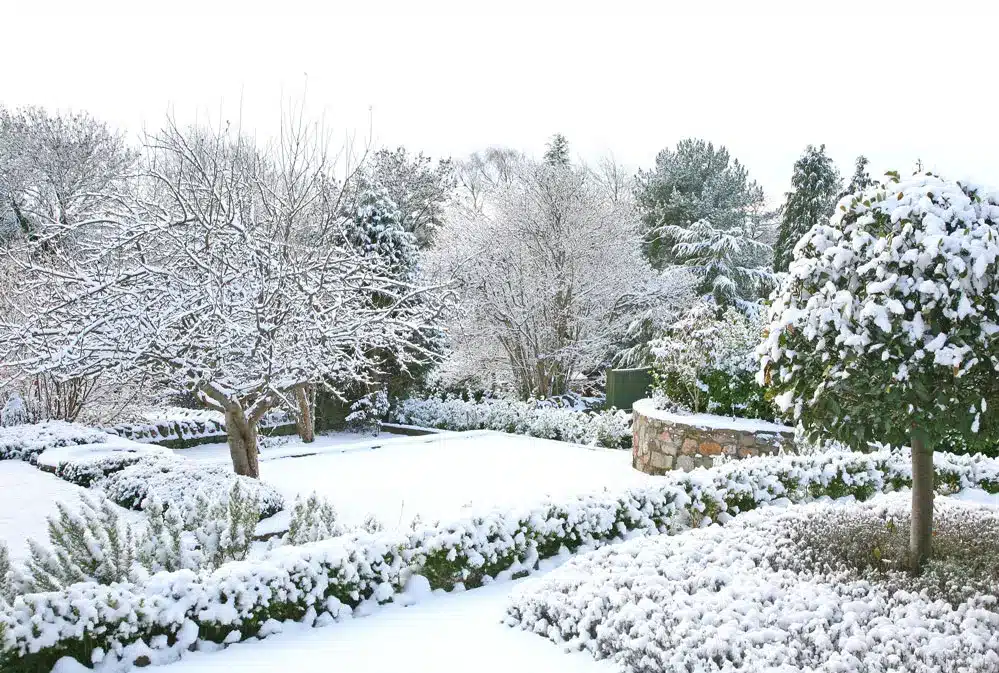
As the temperatures drop, your landscaping needs change. One of the most important tasks for homeowners and business owners alike is winterizing your irrigation system. Properly shutting down your system before freezing temperatures hit can prevent costly damage and ensure your sprinklers are ready to go in the spring. Here’s everything you need to know about protecting your irrigation system this winter.
Why Winterize Your Irrigation System?
When water remains in irrigation pipes during freezing temperatures, it can expand and cause pipes to crack or burst. This can lead to expensive repairs and even affect the overall efficiency of your landscaping setup. Winterizing your system helps:
- Prevent frozen and burst pipes
- Avoid costly repairs and replacements
- Extend the lifespan of your irrigation components
- Ensure a smooth restart in the spring
Steps to Winterize Your Irrigation System
Winterizing an irrigation system involves more than just turning it off. Follow these essential steps to protect your system:
1. Shut Off the Water Supply
The first step is to turn off the main water supply to the irrigation system. This prevents water from flowing into the pipes and getting trapped during freezing temperatures.
2. Drain the System Completely
Simply shutting off the water supply isn’t enough. Any remaining water in the pipes can freeze and expand, leading to cracks. There are three common ways to remove water from the system:
- Manual Drain – If your system has manual drain valves, open them to let the water out.
- Automatic Drain – Some systems have automatic drain valves that release water when the pressure drops.
- Blowout Method – This involves using compressed air to force any remaining water out of the pipes. This method is best handled by a professional to avoid damaging the system.
3. Protect the Backflow Preventer and Valves
Backflow preventers and valves are particularly vulnerable to freezing temperatures. Insulate them with foam pipe covers or wrap them with towels and plastic bags for extra protection.
4. Disconnect and Store Hoses
If you use drip or hose-based watering systems, disconnect and store them in a dry place for the winter. This prevents wear and tear from freezing conditions.
5. Schedule a Professional Winterization Service
While some homeowners attempt DIY winterization, hiring a professional ensures the job is done correctly. At Mountain Road Landscaping, we offer expert irrigation winterization services to protect your system from winter damage and ensure a hassle-free startup in spring.
The Best Time to Winterize
It’s best to winterize your irrigation system before the first hard freeze. In Pennsylvania, this typically happens in late October or early November. However, if you haven’t done it yet, don’t wait any longer—schedule your winterization now to avoid potential damage.
Get Professional Help from Mountain Road Landscaping
Protecting your irrigation system from the harsh winter weather is essential to maintaining a healthy landscape. At Mountain Road Landscaping, we specialize in irrigation maintenance and winterization. Our team ensures that your system is properly drained and secured, so you don’t have to worry about unexpected repair costs in the spring.
Don’t let winter damage your system—contact us today to schedule your winterization service. Winter is coming—make sure your irrigation system is ready!